
Think buybacks are just PR?
They usually lift a stock immediately, 1 to 3 percent in the first 48 hours.
Why does that happen?
Because repurchases are a vote of confidence: management says the shares look cheap and it’s removing supply.
Fewer shares boosts earnings per share mechanically, while the signal draws algorithms, momentum traders, and nervous sidelined buyers.
How big the jump is depends on surprise, program size relative to market cap, and balance-sheet credibility.
This post explains the price mechanics, the behavioral amplifiers, and the warning signs that turn a pop into a drop.
Immediate Market Response to Buyback Announcements
Most buyback announcements trigger an immediate price pop. You’re usually looking at 1 to 3 percent within the first 48 hours. The reaction starts the second a press release or regulatory filing hits the wires. Trading volume often doubles or triples as algorithms, momentum traders, and fundamental investors all react at once. The size of the move? That depends on how unexpected the announcement is, how large the program is relative to market cap, and what the broader market looks like that day.
The reason prices jump is straightforward. Buybacks signal that management sees the stock as undervalued. When a company commits capital to repurchase its own shares, it’s voting with its wallet. That vote carries weight because management has more information about business prospects than outside investors do. A buyback also means fewer shares outstanding, which raises earnings per share even if total earnings stay flat. Investors interpret that mechanical boost as a catalyst for future price appreciation.
Emotional and behavioral factors amplify the technical signal. A buyback announcement anchors expectations. Traders assume the company will provide a bid under the stock, reducing downside risk. That psychological floor makes the risk-reward look more attractive, pulling in buyers who were sitting on the sidelines. Confidence feeds on itself: if the stock rises on the news, momentum algorithms pile in, and the cycle continues until the initial enthusiasm fades or new information arrives.
Most announcements produce gains between 0.5 and 3 percent on day one, with the upper end occurring when the buyback is large (above 5 percent of market cap) and unexpected. Trading volume frequently doubles or triples on announcement day, then normalizes over the following week unless repurchase activity continues visibly. If sell-side analysts quickly issue positive notes calling the buyback “shareholder friendly” or “opportunistic,” the price lift can extend into day two or three. Small-caps tend to see larger percentage moves because their float is thinner and a buyback represents a bigger proportional reduction in supply. Large-caps move less dramatically but can sustain gains longer if execution is credible.
Core Factors That Determine the Strength of Market Reaction
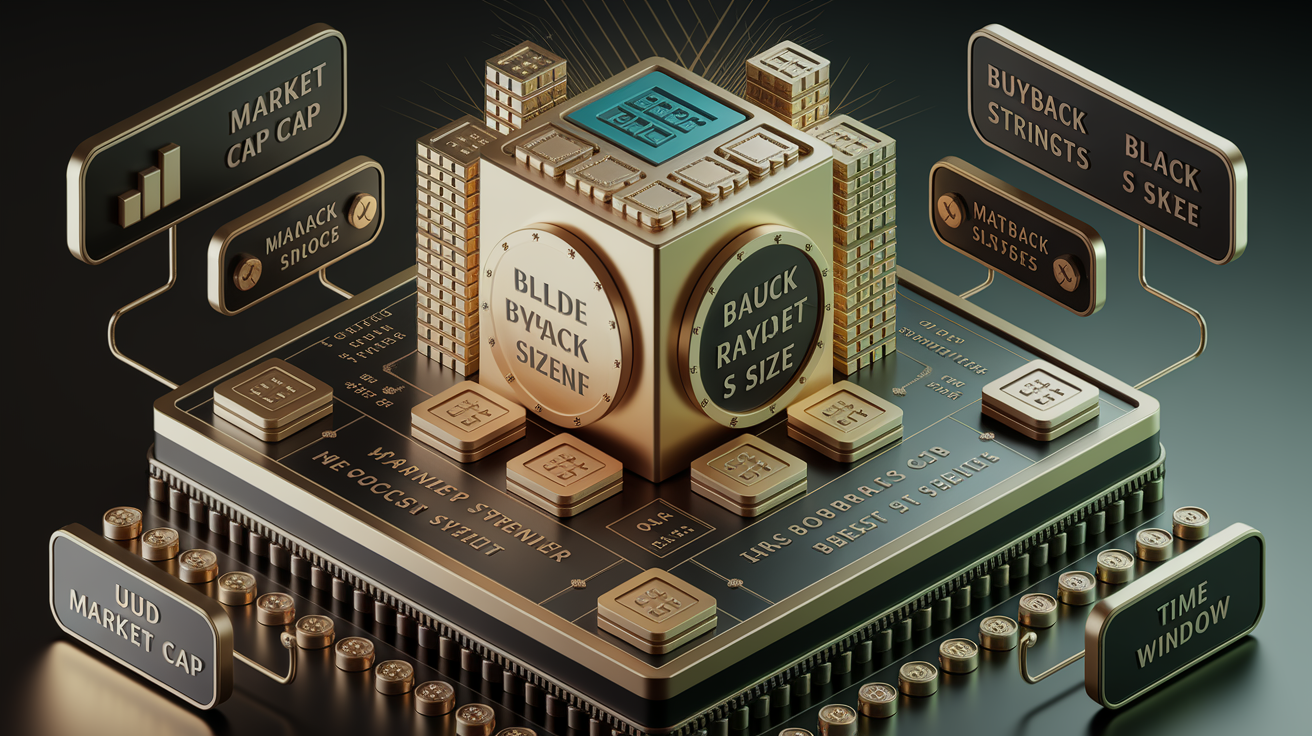
Buyback size is the first variable markets check. A $500 million repurchase authorization sounds big until you realize the company has a $50 billion market cap. That’s only 1 percent buyback yield, barely material. In contrast, a $5 billion buyback on a $50 billion cap is 10 percent yield, enough to move the stock several percentage points if the market believes the company will follow through. The bigger the program relative to shares outstanding, the more mechanical support it provides and the stronger the immediate reaction. Investors also look at whether the authorization has a time limit. A two-year $2 billion program is less urgent than a one-year $2 billion program, so shorter windows often produce sharper pops.
Balance sheet strength determines whether the market interprets a buyback as confident capital allocation or a desperate gamble. When a company with strong free cash flow, low debt, and growing earnings announces a buyback, investors see it as returning excess capital that can’t be deployed more profitably elsewhere. That’s a positive signal. It means the business is mature, stable, and disciplined. On the other hand, if a company with weak cash flow or high leverage announces a buyback, the market smells trouble. The unspoken question becomes: are they propping up EPS to hit bonus targets, or masking deteriorating fundamentals? That skepticism can turn what should be good news into a sell-the-news event.
Debt-funded buybacks are a red flag in many cases, especially when interest rates are elevated. Using borrowed money to repurchase shares boosts financial leverage, which increases risk. If earnings slip or credit markets tighten, the company may regret the decision and face a liquidity crunch. Markets price that tail risk immediately. Announcements financed by new debt often see muted reactions or even declines if investors believe the company is prioritizing short-term EPS engineering over long-term health. Cash-funded buybacks, by contrast, signal that the company genuinely has capital it doesn’t need, which is why they generate more durable positive reactions.
Management credibility and historical execution matter just as much as the headline number. If a company has a track record of announcing buybacks and then never executing them, or executing sporadically at high prices, the market learns to discount future announcements. Conversely, firms that consistently repurchase shares quarter after quarter, especially during downturns when valuations are attractive, build trust. When those companies announce a new program, the market knows the authorization will turn into actual buying, so the reaction is stronger and stickier. Investors also watch insider trading patterns. If executives are selling personal stock while the company announces buybacks, that sends a conflicting signal and can dampen enthusiasm.
Short-Term vs Long-Term Effects on Stock Performance
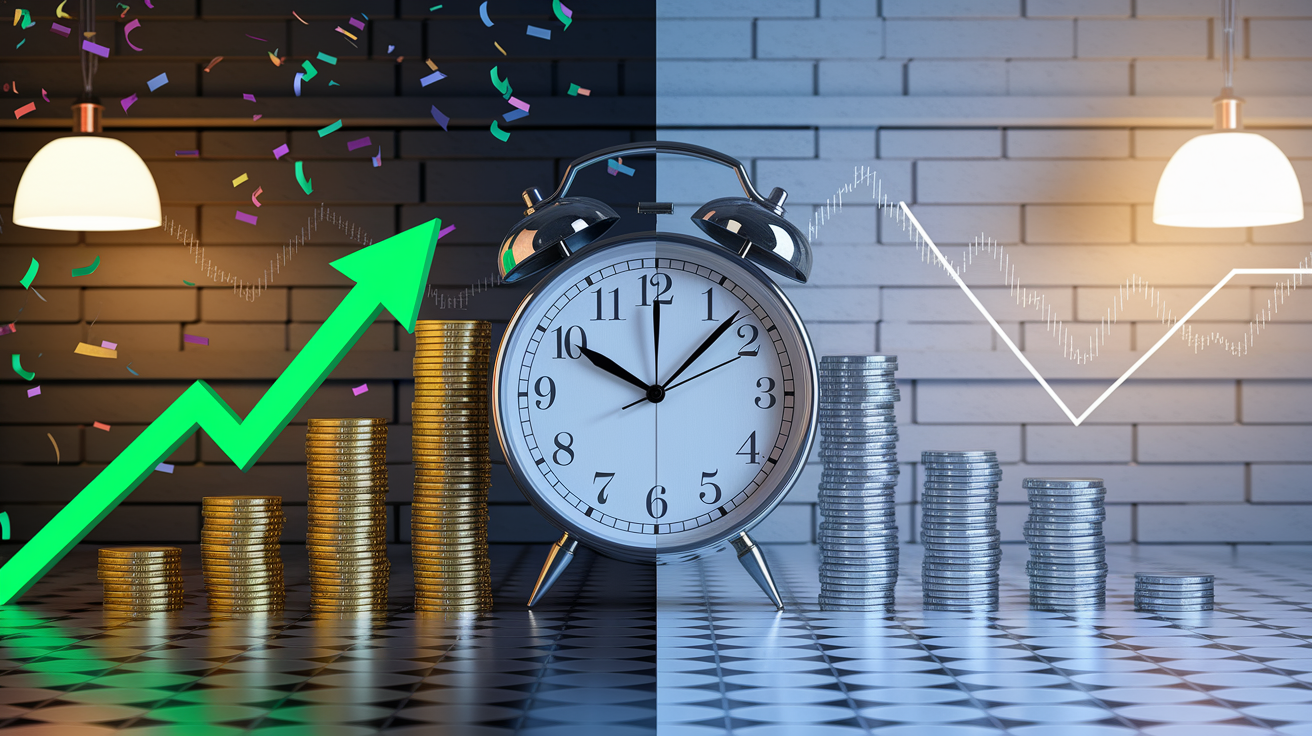
The initial price reaction to a buyback announcement is usually positive, driven by signaling and the expectation of reduced supply. That boost can last anywhere from a few hours to a few days, depending on how much follow-on buying the news attracts. By day 30, the picture becomes more nuanced. Some stocks hold their gains if the company starts executing the buyback or if earnings come in strong, while others drift back down if macro conditions worsen or if the buyback was simply a headline grab with no follow-through.
Day-one pops of 1 to 3 percent are common, but only about half of those gains survive the first month unless the company visibly starts repurchasing shares or other catalysts emerge. Academic studies and market data show that stocks with large, well-executed buybacks can generate excess returns of 2 to 5 percent over the following year compared to peers, especially if repurchases are sustained and priced opportunistically. Stocks that announce a buyback and then report shrinking share counts in quarterly filings tend to outperform those that announce but don’t execute. Markets reward discipline and punish empty promises.
Rising EPS from buybacks is mechanical. It doesn’t mean the business is growing. If revenue and operating income are flat or falling, the buyback is masking weakness, not creating value. Long-term investors distinguish between financial engineering and genuine business improvement. Companies that buy back shares at peak valuations or fund repurchases with excessive debt often see their stocks underperform over multi-year horizons, especially if a downturn forces them to suspend buybacks or raise capital later at dilutive prices.
Over longer windows, the quality of capital allocation becomes visible. If a company repurchases shares steadily when they’re cheap and pauses when they’re expensive, shareholders benefit. If management buys at all-time highs just to hit quarterly EPS targets, value gets destroyed. The market eventually figures out the difference, which is why some buyback stocks outperform for years while others fade after the initial excitement.
When Buybacks Are Interpreted Negatively
Markets turn skeptical when a buyback looks like a cover-up rather than a return of capital. If a company announces a large repurchase program right after missing earnings estimates, reporting declining revenue, or warning about future headwinds, investors often interpret the move as an attempt to prop up the stock price or distract from underlying problems. The reaction in those cases can be flat or even negative. Traders sell on the news because they see the buyback as confirmation that management has no better use for cash, which implies growth is stalling. A company with genuine growth opportunities would be investing in R&D, expanding capacity, or acquiring competitors, not shrinking its equity base.
Excessive leverage is another red flag. When a company borrows heavily to fund buybacks, it increases financial risk without improving the business. If interest rates are high or rising, the cost of that debt eats into future cash flow, reducing flexibility. Markets reprice the stock to reflect the higher risk, which can wipe out any short-term buyback pop. Debt-funded repurchases during weak economic periods are especially dangerous. If revenue softens and the company faces a cash squeeze, it may have to suspend the buyback, cut the dividend, or even raise equity later at a lower price, diluting existing shareholders. That risk becomes obvious in the stock price almost immediately.
Insider trading patterns can turn a buyback announcement into a warning sign. If executives and board members are selling their personal holdings while the company announces a repurchase program, it signals a disconnect between public messaging and private conviction. Why would insiders sell if they truly believed the stock was undervalued? That inconsistency raises questions about motives. Perhaps the buyback is timed to support the stock while insiders exit, or it’s designed to inflate EPS for compensation purposes rather than create shareholder value. When that pattern shows up in SEC filings, the market often reacts with suspicion, and the stock can decline even after a buyback announcement.
Historical Examples of Buyback Announcements and Market Outcomes
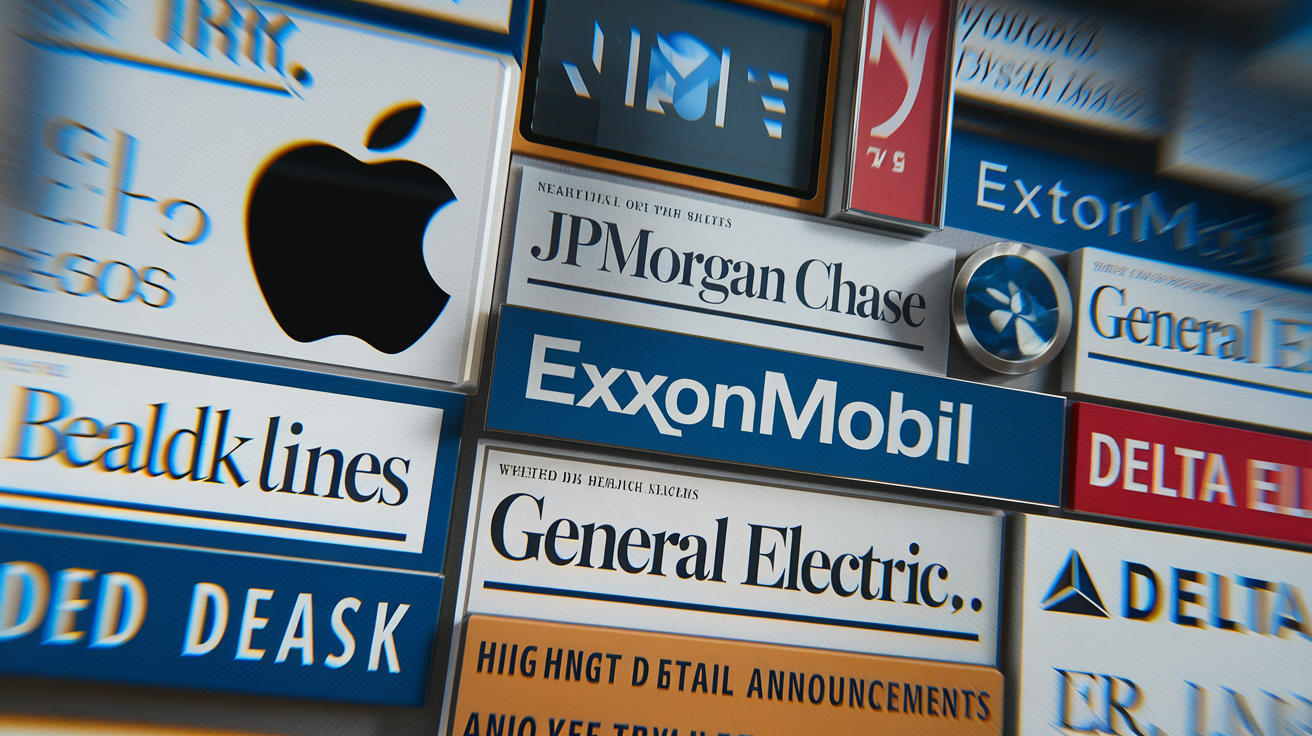
Large, financially healthy companies with strong track records tend to generate positive reactions when they announce buybacks, especially if the programs are substantial and unexpected. Apple has executed some of the largest repurchase programs in history, often announcing multi-year authorizations worth tens of billions of dollars. When Apple boosted its buyback authorization in 2018 and again in subsequent years, the stock rallied because investors knew the company had the cash flow to follow through and a history of disciplined execution. JPMorgan Chase has similarly used buybacks as a core part of capital return strategy, announcing programs after stress tests confirm the bank has excess capital. Those announcements typically lift the stock because they signal regulatory approval and management confidence in earnings power.
Other cases illustrate the downside. General Electric announced a large buyback program in 2015 and 2016, but the stock struggled afterward as the company’s cash flow deteriorated and it eventually had to cut the dividend and suspend repurchases. Investors who bought on the buyback news lost money because the program wasn’t sustainable. It was funded by asset sales and occurred at elevated valuations. Airlines have faced similar skepticism. Several major carriers announced buybacks in 2018 and early 2019, only to suspend them entirely during the COVID-19 downturn and later face criticism for prioritizing buybacks over balance-sheet strength. The market reaction to airline buyback announcements became muted or negative over time as investors learned those programs were pro-cyclical and often poorly timed.
| Company | Announcement Year | Market Reaction (%) |
|---|---|---|
| Apple | 2018 | +2.5 |
| JPMorgan Chase | 2019 | +1.8 |
| ExxonMobil | 2022 | +3.2 |
| General Electric | 2016 | -0.5 |
| Delta Air Lines | 2019 | +0.2 |
The table shows the range of outcomes. Positive reactions cluster around companies with strong balance sheets, clear capital-allocation strategies, and credible management. Neutral or negative reactions appear when the buyback is announced against a backdrop of financial stress, unclear strategy, or poor historical timing. The key lesson is that the announcement itself is only part of the story. Context, execution, and company health determine whether the market treats a buyback as good news or a warning sign.
Final Words
Stocks typically jump 1–3% within minutes to 48 hours after a buyback announcement. Volume usually spikes and sentiment tilts positive as investors read buybacks as a signal management sees value.
How big the move sticks depends on size, funding, balance-sheet health, and follow-through. Some buybacks lead to lasting gains; others fizzle if earnings don’t support the move.
This post walked through immediate reactions, core drivers, short‑ vs long‑term effects, downside cases, and historical examples, corporate buyback announcement market reaction explained. Use the framework to judge the next repurchase—there’s real upside when buybacks are sensible and well-timed.
FAQ
Q: What happens when a company announces a buyback?
A: When a company announces a buyback, the stock usually jumps short‑term (often 1–3%) as investors read it as confidence or undervaluation; trading volume commonly spikes too.
Q: What is the 7% sell rule?
A: The 7% sell rule is a guideline to sell a position once it falls about 7% to limit losses; it’s a discretionary stop‑loss tactic, not a formal market rule.
Q: Is it good or bad when a company buys back stock? What does Warren Buffett say about stock buybacks?
A: A company buying back stock can be good or bad depending on context. Buffett says buybacks are wise when shares trade below intrinsic value and repurchases are funded sensibly, not to game metrics.